The lot model is the unit of every Park Graph data feed. It is intentionally small so a model can hold the full schema in context without thrashing.
Lot — JSON Schema (abridged)json
{
  "$schema": "https://json-schema.org/draft/2020-12/schema",
  "title": "Lot",
  "type": "object",
  "required": ["id", "name", "slug", "total_spaces", "lot_type"],
  "properties": {
    "id":               { "type": "string", "format": "uuid" },
    "name":             { "type": "string" },
    "slug":             { "type": "string" },
    "address":          { "type": "string" },
    "city":             { "type": "string" },
    "state":            { "type": "string" },
    "total_spaces":     { "type": "integer", "minimum": 1 },
    "available_spaces": { "type": "integer", "minimum": 0 },
    "occupancy_pct":    { "type": "number" },
    "base_rate":        { "type": ["number", "null"] },
    "rate_unit":        { "type": "string" },
    "max_daily_rate":   { "type": ["number", "null"] },
    "lot_type":         { "enum": ["open", "covered", "valet", "accessible", "ev_only"] },
    "features":         { "type": "array", "items": { "type": "string" } }
  }
}
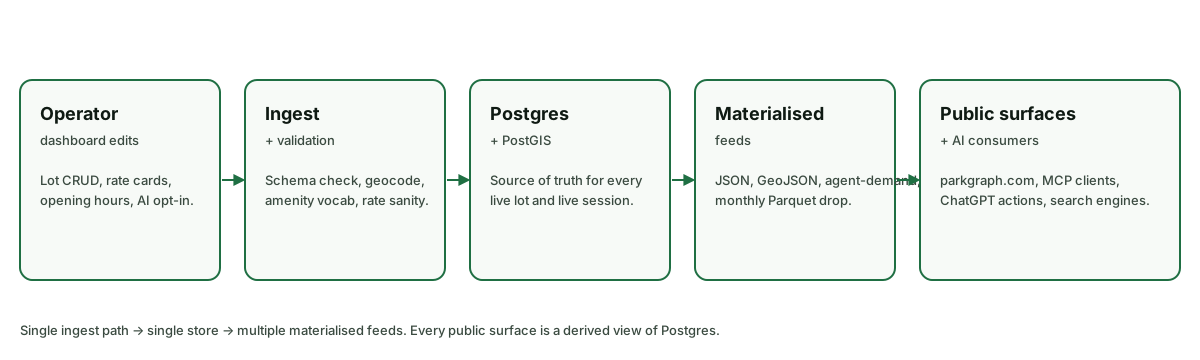
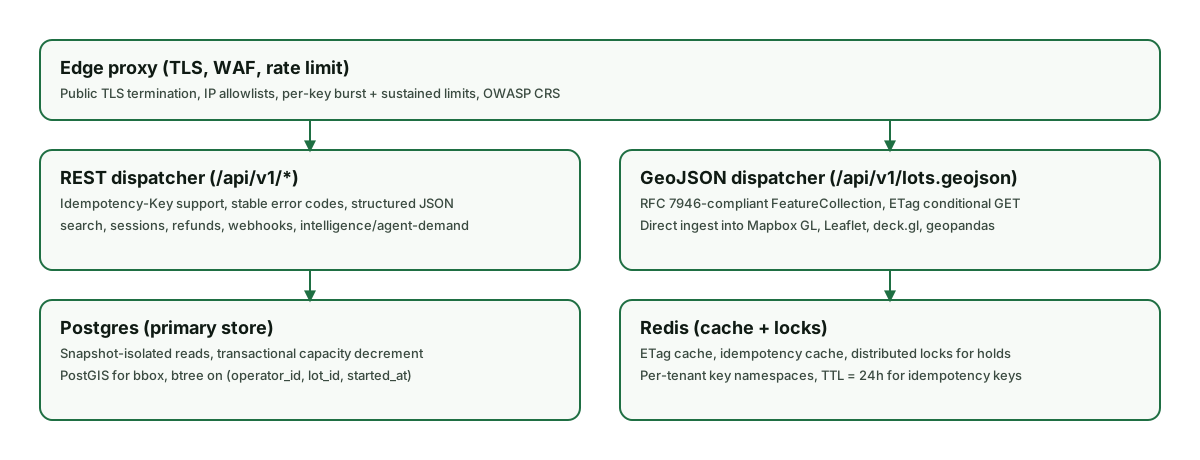
The JSON inventory feed returns these fields on each lot; the GeoJSON inventory feed carries the same identifying fields inside each feature's properties object (plus a url permalink). AI agents that ingest the shape once can consume both feeds without further translation.