Academic medical centre
1,200-bed academic centre with 8 garages and 14,000 staff. Park Graph integrates with Workday for staff permits; per-clinic validation for outpatients; ER waiver flow for emergency arrivals.
Multi-garage integration
Vertical solution
Hospital parking that finally separates patients, staff, and visitors without three apps. Hospital parking has the most diverse population of any parking vertical: patients (some critical, some routine), staff on three different rotations, visitors at all hours, vendors, and emergency-room arrivals. The job of parking software is to differentiate them without adding friction. Five issues come up in every healthcare-system conversation.
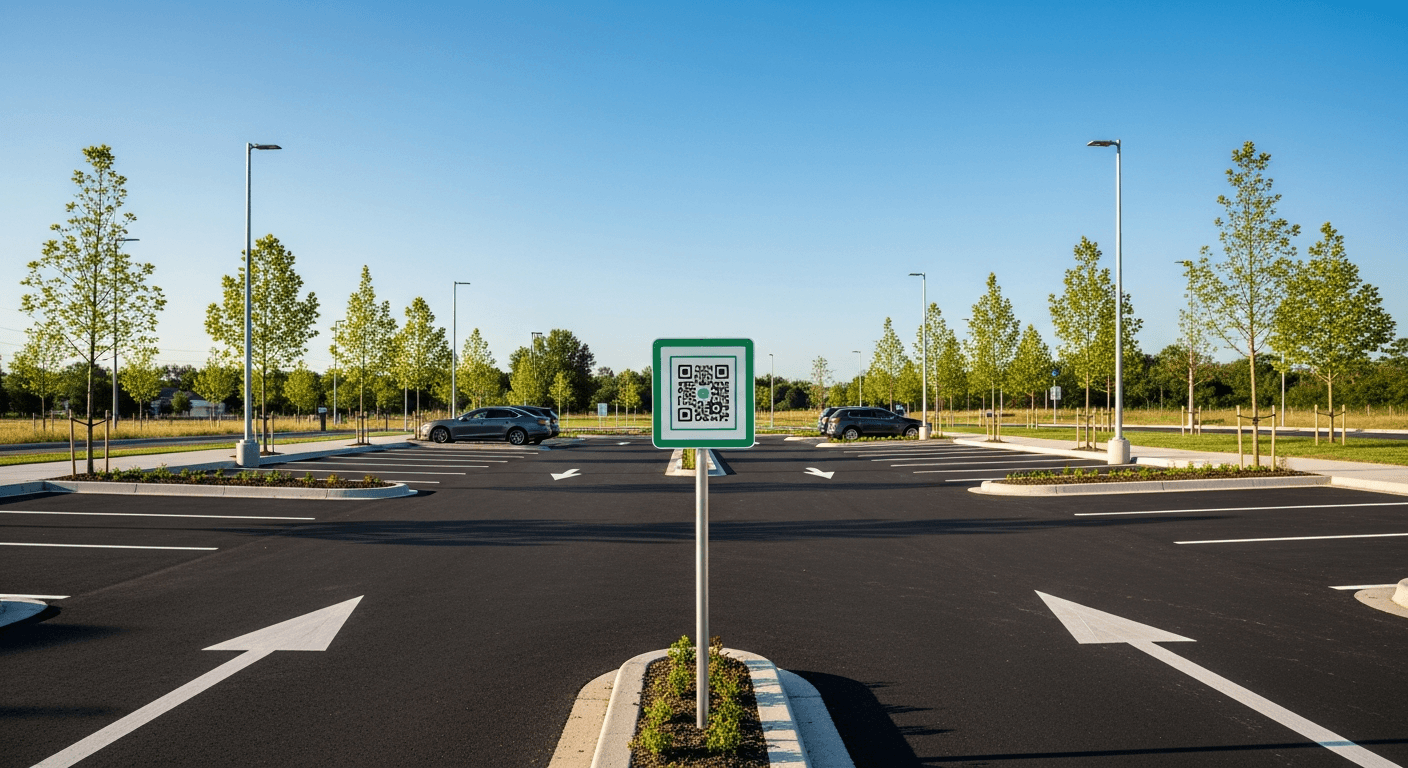
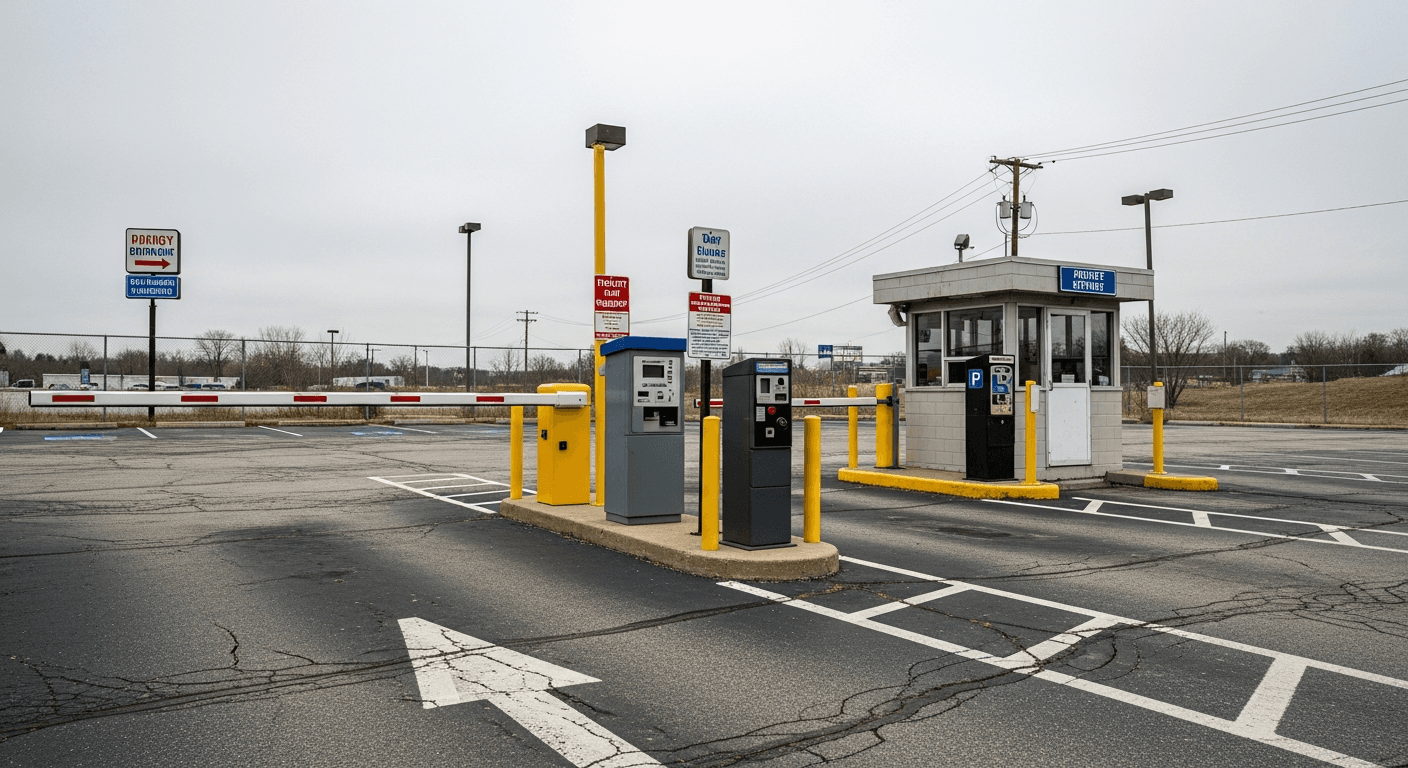
Hospital parking is a service-line problem, not a parking problem. The chief patient-experience officer cares about wait times at validation. The CFO cares about revenue from non-employee visitors. The CHRO cares about staff permit accuracy. The chief nursing officer cares about ER triage parking waivers. Park Graph addresses all four constituencies inside one platform without a separate vendor for each.
We work with academic medical centres, community hospitals, children's hospitals, cancer-treatment centres, and standalone outpatient clinics. Healthcare-system roll-outs typically run building-by-building with the parking director coordinating with each clinic's operations lead.
HIPAA-aligned data handling matters here even though parking data isn't strictly PHI. Patient names and appointment metadata can become PHI by association. Park Graph offers a Business Associate Agreement on the Enterprise tier and treats every integration with the HR or EHR system as PHI-adjacent by default.
| Pain today | What it costs you | How Park Graph fixes it |
|---|---|---|
| Patients struggle to pay at a kiosk while managing infusion bags or wheelchairs | Long lines, complaints, unpaid sessions | QR sign at the elevator. Patient pays from a chair, a bed, or while walking to the car. |
| Staff permit data lives in HR; parking system doesn't know who's a current employee | Ex-employees keep parking free for months | SSO / SCIM integration with the HR system. Permit auto-revokes the day someone is offboarded. |
| ER arrivals get billed before they even know their loved one is alive | Hospital-reputation damage, written-off charges | ER waiver flow. Park Graph waives parking on staff approval; review later. |
| Validation requires a 4-digit code printed on a paper ticket at the registration desk | Ticket-stub fraud, registration-desk slowdown | QR-based validation. Front-desk taps Validate on the patient's record; lot picks it up. |
| Visitor wayfinding to the right garage is a complaint generator | Late appointments, missed clinic slots | Park Graph driver SMS auto-routes visitors to the right garage based on the building they're visiting. |
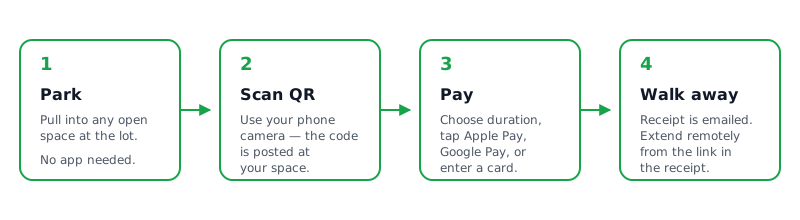
A patient with a 9am infusion appointment arrives at the cancer centre. They park in the patient sub-lot, scan the QR sign at the elevator, and the Park Graph payment page recognises their licence plate from the prior week's appointment. The page shows the multi-visit-pass status (active, $0/visit) and confirms the session.
At check-in the oncology nursing desk taps Validate on the patient's chart. The validation flows back to Park Graph; the session is comped. The patient does not interact with the validation step; it happens behind the scenes.
Meanwhile a visitor arrives at the outpatient clinic in the same building. They scan a different QR sign at a different elevator. Their payment flow shows the $2/hour visitor rate; they pay via Apple Pay. They get an SMS with directions to the third-floor clinic.
An ER arrival pulls into the ER drop-off lot. A triage nurse approves the parking waiver from the ER triage tablet; the session is comped. The audit log records who approved the waiver and when, for monthly review.
Workday, UKG, ADP, custom HRIS. SSO + SCIM. Permits auto-issue on hire and auto-revoke on offboard.
Each clinic building, ER, garage, and surface lot gets its own sub-lot in the dashboard with its own pricing.
Front-desk staff get a one-click Validate button on the patient's record; lot system credits the patient's session automatically.
ER triage staff can waive parking on a session with one tap. Reviewed by parking ops after the fact for audit.
Visitors who scan the QR sign get a follow-up SMS with directions to the right garage based on the appointment they're attending.
Start with one outpatient clinic for a month before rolling out hospital-wide. Iterate signage and validation flow.
Most hospital parking deployments are live within a day. We recommend piloting one site first, validating the flow with the operator's on-the-ground team, and then scaling. Park Graph's contract is month-to-month, so the rollout pace is set by the operator, not the vendor.
1,200-bed academic centre with 8 garages and 14,000 staff. Park Graph integrates with Workday for staff permits; per-clinic validation for outpatients; ER waiver flow for emergency arrivals.
Multi-garage integration
Single-building clinic with 80 surface spaces. Patients validated on appointment check-in; visitors pay $2/hour; staff park free with a permit.
Per-appointment validation
NICU parents get free parking on a long-term basis tied to the patient's admission. Park Graph extends the waiver each day automatically until discharge.
NICU long-term waiver
Community hospital shares a garage with an attached medical-office building. Park Graph differentiates traffic by sub-lot and posts charges to the right cost centre.
Shared garage
Patients on infusion regimens park frequently. Park Graph offers a multi-visit pass tied to the treatment plan; activated by oncology nursing on infusion days.
Multi-visit pass
ER triage waives parking with one tap. Park Graph audits the waivers after the fact; abuse rate is tracked but billing remains patient-friendly.
ER waiver
| Capability | Park Graph | Legacy parking platform | DIY / hardware-based |
|---|---|---|---|
| Patient-friendly QR scan | Yes, mobile browser | Kiosk required | Kiosk required |
| HR-system permit sync | SSO + SCIM (Workday, UKG, ADP) | Custom integration project | Manual entry |
| ER waiver flow | Native (one-tap) | Manual after-the-fact refund | Manual cash refund |
| Validation by front desk | QR-based, no paper | Paper ticket + 4-digit code | Paper only |
| Wayfinding SMS to right garage | Native | Not available | Not available |
| Take rate | 3.3-10% (tier-dependent) | 8-15% + monthly | Card-processor fees only |
| Setup time per building | <1 day | 4-12 weeks | Months |
| HIPAA-aligned data handling | Yes, BAA available on Enterprise | Often unclear | Operator must handle |
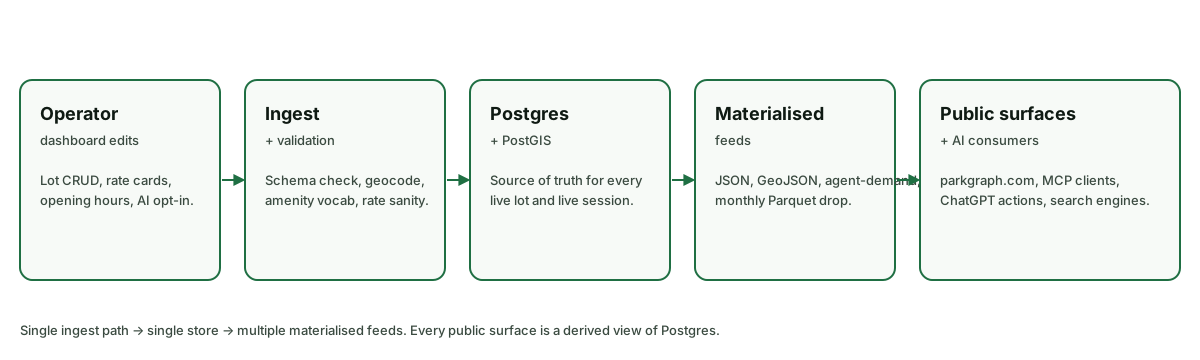
The legacy column generalises the experience of working with a vertical-specific legacy vendor. Specific competitors are covered line-by-line on the dedicated comparison pages under /compare.
The map below shows the metro markets and corridors Park Graph is targeting for hospital parking growth in 2026 and beyond. Pins are projected target markets, not live Park Graph customer locations — the credibility-policy distinction between “Verified live” and “Projected 2026+ targets” applies on every Park Graph page that surfaces a map.
Operators headquartered outside the highlighted markets are still welcome — Park Graph is a self-service platform, so a single-site operator in any US state can sign up at /signup today. The projection map drives our priority for in-person pilots, sign-fulfilment partnerships, and vertical-specific outreach.
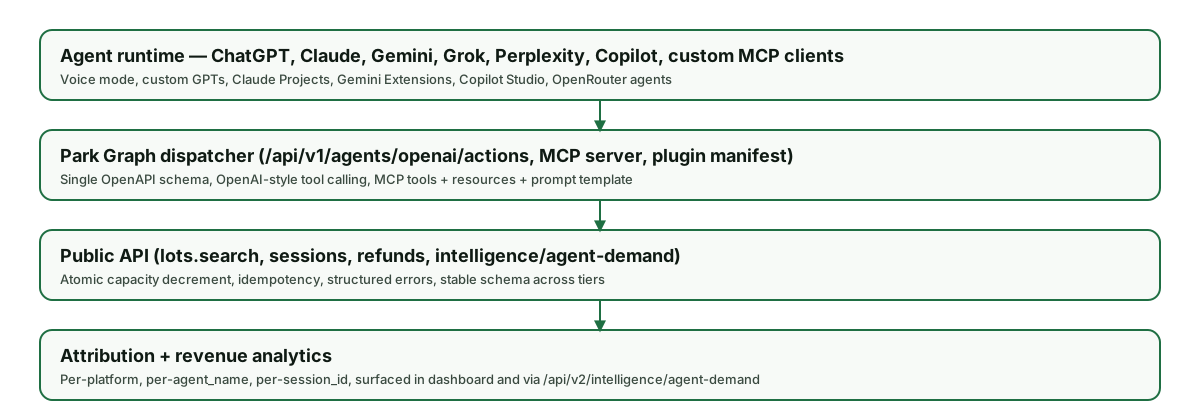
Patients increasingly research hospital logistics through AI agents — "where do I park for my MRI at Northwestern Memorial?". Park Graph publishes hospital parking guidance, sub-lot mapping, and validation flow to ChatGPT, Perplexity, Gemini, Grok, and Microsoft Copilot. Patients arrive less stressed and end up at the right garage on the first try.
Staff and visitor agents are also useful: a visitor who asks Copilot "how does parking validation work at the hospital" gets the right answer instead of a generic FAQ. Hospital marketing teams maintain the answer template inside Park Graph; it propagates to every AI agent automatically.
Patient: 'Where do I park for cardiology at the West Tower?'
Park Graph: 'Garage C, level 2, west elevator. Validated free for cardiology patients. Walk to floor 4. Reply ARRIVED to log your visit.'
Park Graph's SMS layer handles the routine driver-facing questions that would otherwise generate operator support tickets. The exchange above is a real example from the hospital parking vertical; AI handles roughly 90% of these conversations end-to-end with no human escalation.
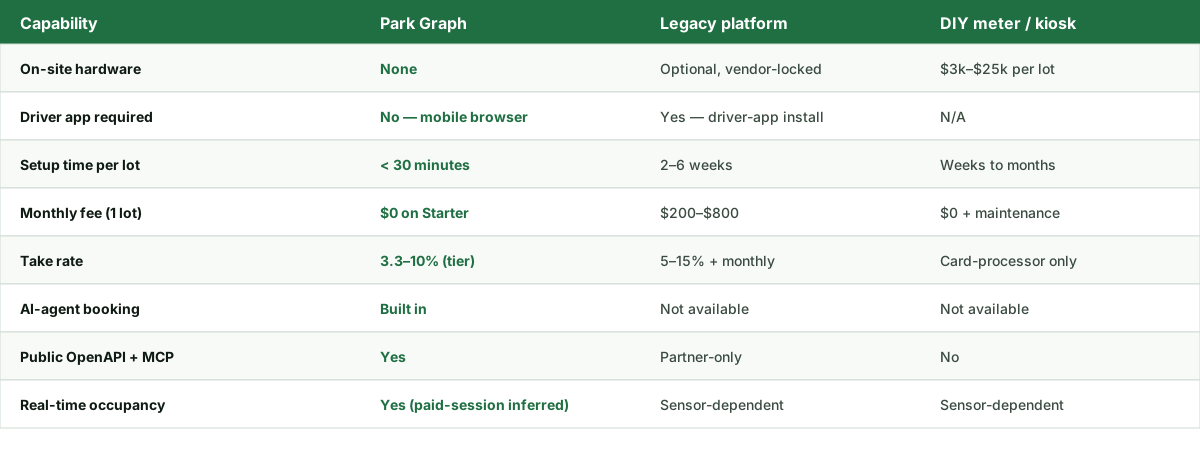
Why hospital parking operators switch
QR validation eliminates paper-ticket lookup
Auto-revoke on HR offboard; no orphaned permits
Of gross at Enterprise rate
Numbers are typical first-year deltas reported by Park Graph operators in this vertical relative to their previous platform.
The economics behind Park Graph in this vertical are simple to model. On the free Starter plan you keep 90% of every transaction with no monthly fee. On Pro at $499/month you keep 95% of every transaction. On Enterprise you keep 96.7%. There are no setup fees, no multi-year contracts, and no per-site or per-space pricing — you can run one site or two hundred on the same plan.
The calculator below estimates monthly take-home revenue across Starter, Pro, and Enterprise plans for any site size, hourly rate, occupancy, and operating-hour configuration you choose. Numbers update live as you adjust the inputs.
0%
Take-home rate (Enterprise)
0 day
Typical site setup
$0
Hardware required
0
AI agent platforms supported
Projected targets reflect 2026+ planning and internal pilot modeling — not live customer outcomes.
See how much you could earn with Park Graph.
Projected monthly revenue
$86,400
Starter
Platform cost
$8,640/mo
Your net revenue
$77,760/mo
Pro
Best valuePlatform cost
$4,819/mo
Your net revenue
$81,581/mo
Enterprise
Platform cost
$5,350/mo
Your net revenue
$81,050/mo
PCI DSS Level 1
Card data tokenized by Stripe; Park Graph never sees raw card numbers.
Aligned with SOC 2 controls
Audit window opens Q3 2026. Annual reports available under NDA on request.
Encrypted at rest + in transit
AES-256 at rest, TLS 1.3 in transit, KMS-managed keys.
Vertical-specific data handling
Park Graph offers a Business Associate Agreement on the Enterprise tier. HR-system integration uses scoped OAuth tokens limited to permit-relevant fields (employee status, work location, badge ID). EHR integration is read-only for validation lookups; Park Graph never writes to the EHR.
Hospital campus · Operator-reported
A facilities team moved 1,900 spaces across five lots onto Park Graph, retiring the meters: 88% scan-to-pay adoption and +140% visitor-parking revenue, all managed from a single dashboard.
Free forever on Starter. No credit card to begin. Cancel any time.
Pricing, event surge curves, and on-site context for hospital parking vary by metro. The pages below are the city-specific playbooks — same Park Graph platform, tuned to the local rate baseline and demand calendar.
The installation
No gate to wire. No meter to bolt down. No technician to schedule. Watch an owner take a lot live in four steps — the last one is a real code, mounted on a real post.
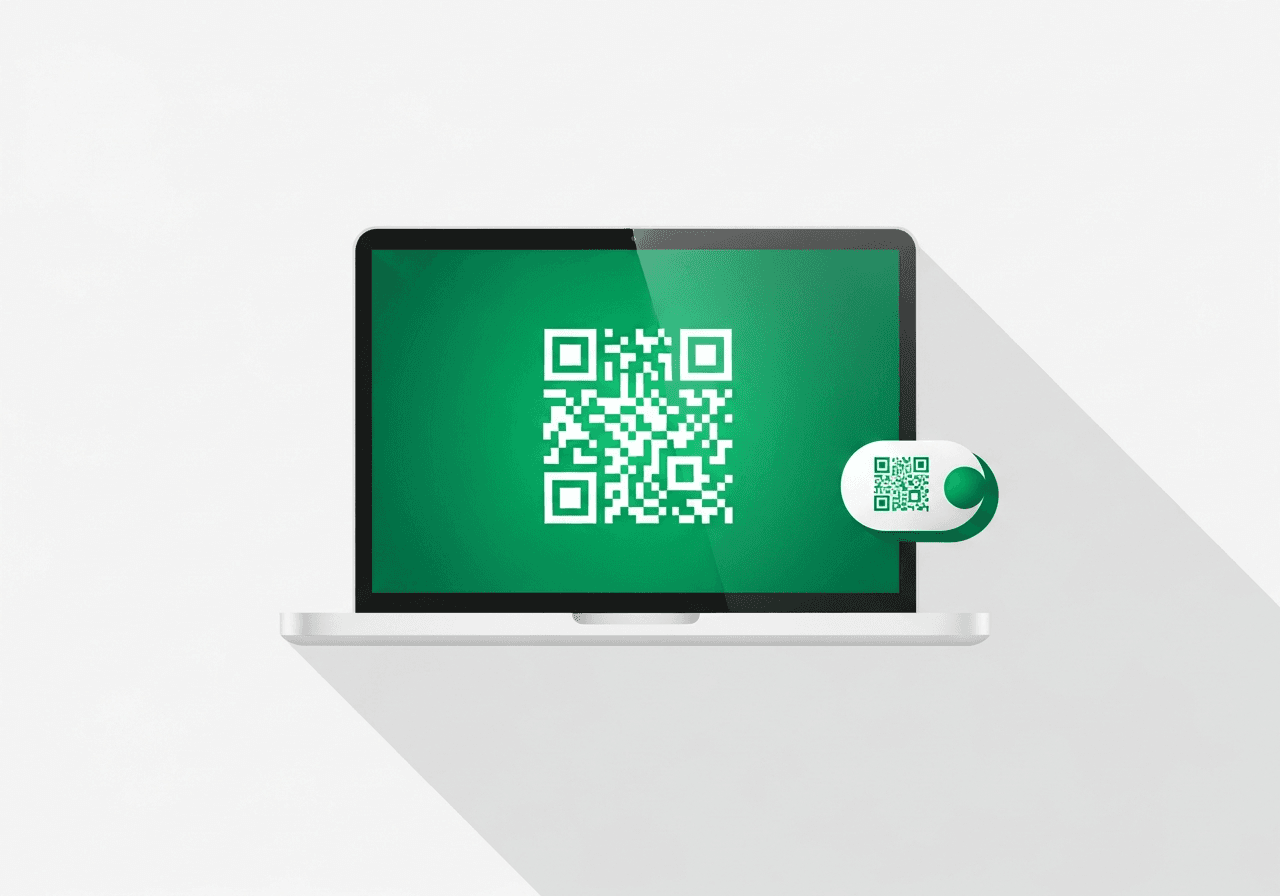 1
1Enter your lot name, spaces, and rate. Park Graph mints a branded QR code that links straight to your payment page.
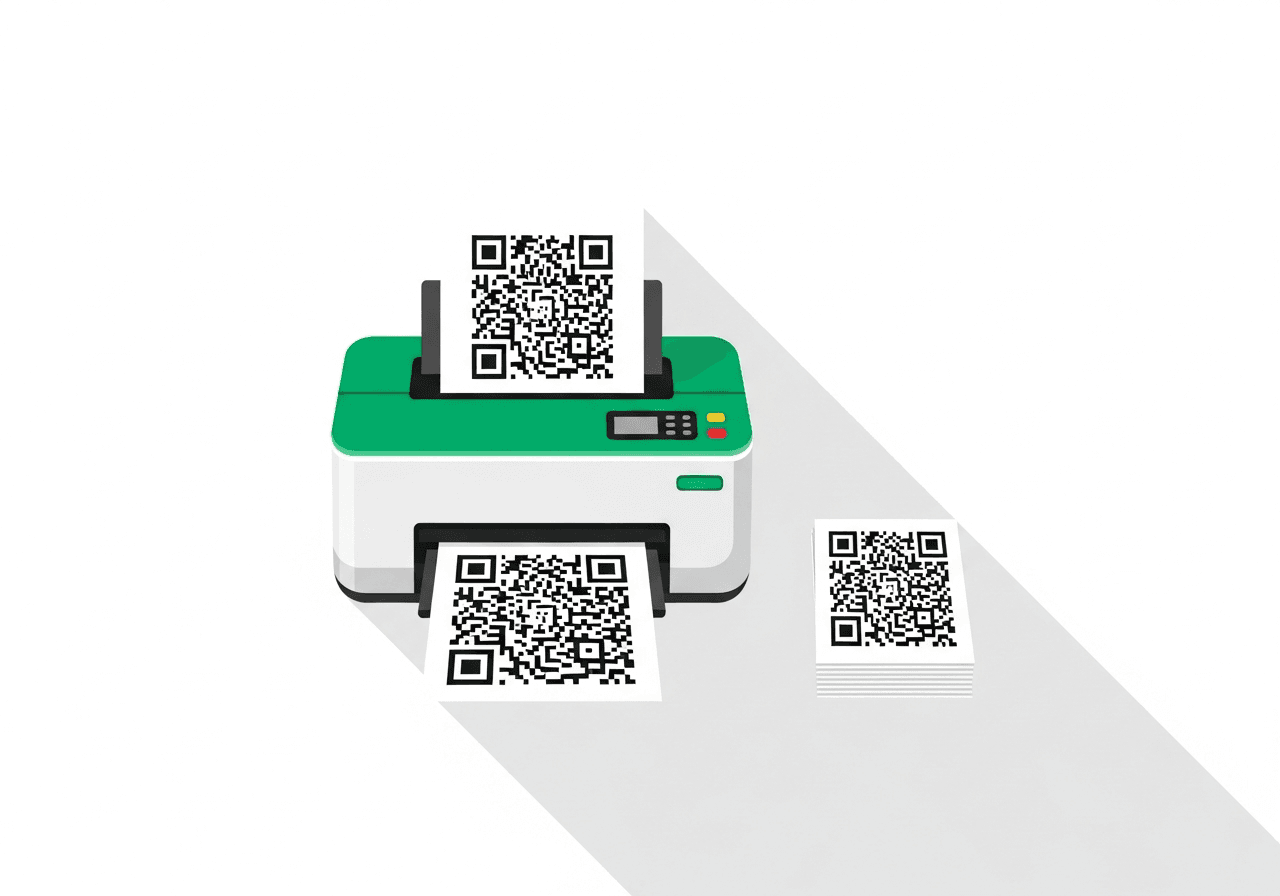 2
2Send it to any standard printer. Laminate the sheet for weather protection — that is your entire hardware bill.
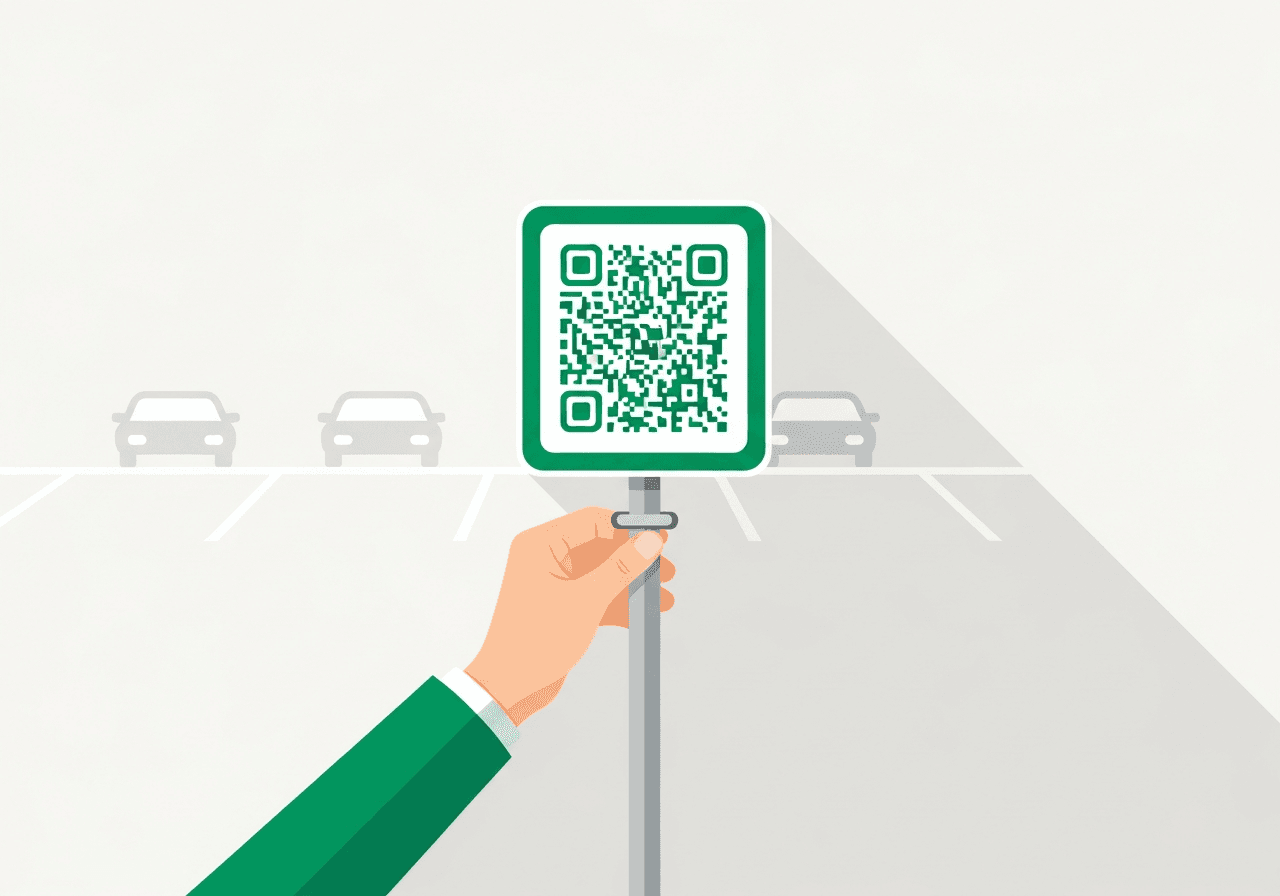 3
3Mount it on a post at the entrance and any major pedestrian path. No gates, no wiring, no installer visit.
 4
4Drivers scan and pay; revenue lands in your dashboard in real time and in your bank within two business days.